
Erectile Dysfunction (ED) or Male Impotence is the inability to attain or sustain an erection satisfactory for sexual intercourse. Surveys show at least 30% of men over the age of 50 have erectile dysfunction although it is not inevitable with age.
Causes of Erectile Dysfunction
ED dysfunction may be caused by several factors:
(1) Psycological factors such as fear of intimacy, depression, low self esteem and stress. Psychic factors are implicated if the patient has situational ED, has morning erections, or can achieve a firm erection with masturbation. This type of ED can usually be treated by receiving some form of counseling.
(2) Disease factors such as metabolic syndrome, diabetes, high cholesterol, heart disease, vascular disease, neurological damage, following certain surgical procedures and the use of certain drugs such as antidepressants, tranquillisers, amphetamines, antihypertensives, opioids, alcohol and tobacco.
(3) Hormonal factors such as low testosterone levels, high estrogen levels, high prolactin and thyroid disease.
(4) Pyronies Disease – curvature of the penis reducing circulation.
Age related erectile dysfunction is just one symptom of a larger syndrome known as andropause or male menopause. This syndrome is caused by decreasing levels of free circulating testosterone and/or increasing estrogen levels. Symptoms include: decreased libido, erectile dysfunction, ejaculatory problems, decreased energy and strength, increase in body fat, loss of muscle mass, prostate enlargement, osteoporosis, depression, inability to concentrate, reduced mental agility and loss of enthusiasm. Testosterone plays a fundamental roll in producing erections, but it is not the whole story. An adequate penile blood supply, neural control, and the presence of two erection building chemicals (nitric oxide and cyclic GMP) are also essential. Boosting testosterone levels can restore libido (sex drive) in men whose testosterone output is deficient. It can also restore their ability to achieve and sustain an erection.
Diagnosis of Erectile Dysfunction
A general medical evaluation should include a history of drug use, examination of the genitalia, and a search for vascular or hormonal dysfunction.
Laboratory tests requested should include: free testosterone, estradiol, luteinizing hormone (LH) and follicle stimulating hormone (FSH), cholesterol, glucose tolerance and prolactin (taken at 9 am to avoid diurnal variations).
Take a copy of these tests to your local GP and have him/her perform these tests to accurately diagnose your condition.
Treatments for Erectile Dysfunction include:
(1) Treat any underlying condition such as diabetes, cardiovascular disease or low testosterone.
If there are no underlying problems found or you still suffer from ED symptoms despite treating them then you are left with treating the symptoms. Our laboratory produces a range of treatments which include:
(2) Penile injections – we have an extensive range of injection combinations available in a range of strengths and have been supplying these for nearly 20 years and thus are one of the most experienced compounders in this field in the country having worked with many ED experts in Australia.
Our injection range consists of various combinations and concentrations of medications in order to treat anything from very mild to severely resistant ED cases. We supply a range of bi-mixture, tri-mixture and quad-mixture injections all of which are made in multiple strengths from low strength for mild cases through to very high strength for the most resistant of cases. We also produce an antidote which helps avoid embarrassing situations where you may accidentally overdose causing a prolonged erection. We have several strategies available to help reduce the incidence of pain which can be a side effect of certain injections.
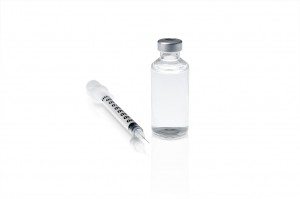
Although the thought of penile injections usually instigates a negative response in most men they are one of the most effective methods of treatment available with few side effects. Click here for more information on our injection range.
We also supply Autoject 2 which is a reusable automatic injection device in which you load your syringe. The device will automatically inject the needle and empty the syringe contents for you at the push of a button. It may help needle phobic patients as you cannot see the needle once it is loaded into the device. Click here for Autoject 2 instructions. Click here to order a Autoject device.
Prescribing
Many doctors are not aware of these injections. If you fill in the online consultation form and we will email you instructions on what is the most suitable product to be prescribed for you. We can also email your doctor a prescriber information pack.
You can then purchase the medication direct from the supplier and avoid using expensive online clinics with expensive lock in contracts. Save $$$$ and deal direct.
We courier these injections Australia wide via overnight courier.
(3) Lozenges/Rapid Dissolving Tablets (RDT’s) – we supply a number of drug combinations as a sublingual lozenge or RDT which provides a faster onset of action when compared to tablets and less side effects as lower doses are required when compared to oral dose forms with poor oral bioavailability.
(4) IntraUrethral Gels – the same medications used in injection therapy are also available in gel form for intraUrethral application. Prior to intercourse, the easy to apply gel is inserted into the urethra. IntraUrethral gels are a great alternative to those who are not willing or cannot inject the medications with a needle.
Avoid dealing with expensive Men’s Erectile Dysfunction treatment clinics who sell these treatments over the phone at highly inflated prices prescribed by an unknown doctor you never see. Buy direct with a script from your local GP and save with no contracts or commitment. You re-order only when you need to.
Contact us and speak with one of our pharmacists to determine the most appropriate treatment. We can also direct you to a doctor who can prescribe them for you if you are having trouble finding one.
Want More Information?
For more information you are required to register for a free online consultation, contact us for information about the treatments currently available or alternatively speak to your doctor.