
Bioidentical Hormone Replacement for Women
Women can suffer from a variety of hormone imbalances during different stages of their lives. These include PMS symptoms, polycystic ovarian syndrome (PCOS), endometriosis, cysts, infertility, perimenopause and menopause all of which can be treated with bioidentical hormones at physiological doses.
(1) Estrogen Dominance – PMS, Perimenopause, Infertility
PMS symptoms, polycystic ovarian syndrome (PCOS), endometriosis, cysts and infertility seem to be the result of estrogen dominance. Adequate levels of progesterone are essential to effectively counterbalance your estrogens throughout the menstrual cycle and thus a decline in progesterone allows estrogen to go unopposed which results in a condition known as estrogen dominance.
The aging process also causes a decrease in progesterone production which is known as perimenopause, which can occur anytime from your mid 30’s to late 40’s. The menstral cycle may become quite erratic during this time due to a decrease in progesterone production. A normal healthy female produces between 20 to 40mg of progesterone a day during the second half of her cycle, however this is reduced significantly during perimenopause creating perimenopausal symptoms. Contrary to standard belief estrogen production often remains relatively stable (60 to 200mcg estradiol a day) during perimenopause and does not decline until menopause. Similarly testosterone’s production (0.3 to 0.5mg a day) does not fall until menopause.
Symptoms of Estrogen Dominance
Symptoms of estrogen dominance include: decreased sex drive, irregular and/or heavy periods, bloating and fluid retention, breast swelling, mood swings, weight gain, fuzzy thinking, anxiety, depression, acne, facial hair and headaches.
Causes of Estrogen Dominance
Estrogen dominance, or low progesterone production, may be due to certain emotions and behaviors, genetics, diet (insulin resistance), environmental factors and/or the aging process.
(2) Menopause
As women progress further along the time line and approaches menopause progesterone levels continue to decline. Eventually once menopause is reached estrogen levels begin to decline, which usually results with an improvement in perimenopausal symptoms, as now the imbalance between the two hormones is not as great.
Menopause Symptoms
Unfortunately a new list of symptoms develop due to low estrogen levels which may include: hot flushes, night sweats, loss of sexual desire, vaginal dryness, fuzzy thinking, urinary tract infections and dry skin. These symptoms may last from anywhere between a few months to many years depending on the individual.
(3) Testosterone
Testosterone plays an important physiological role in women with many important effects on muscle, bone, central nervous system, bone marrow and sexual function. The level of testosterone in women begins to gradually decline around the age of 40. The levels drop dramatically if a hysterectomy has been performed. The levels do not need to drop very far before signs of deficiency appear.
Symptoms of Low Testosterone
Symptoms include; unexplained fatigue, loss of libido, decreased sensitivity to sexual stimulation in the nipples and clitoris, decreased arousability and capacity for orgasm, diminished vital energy and sense of well being, loss of muscle tone, depression, thinning pubic hair, genital atrophy and dry and brittle scalp hair.
Treating Hormone Imbalances
There is no need for women to suffer from any of these hormonal imbalances as Individualised Bioidentical Hormone Replacement Therapy (IBHRT) is able to effectively treat the imbalance and thus overcome many of these symptoms. This is achieved by supplementing deficient hormones with low physiological doses of the appropriate bioidentical hormones in order to bring their levels back up to the optimal range.
In cases where certain hormones are found to be excessive they need to be reduced back down to within the optimal range so all hormones are correctly balanced. The hormones most commonly found to be excessive in some women include testosterone and the estrogens.
Testosterone is commonly elevated in women with PCOS. In these cases testosterone levels need to be reduced back to normal. This often involves a multifaceted approach as there are several causes for elevated testosterone. Firstly it may be the result of insulin resistance so a low carbohydrate diet is required to control blood sugar levels. Supplements such as our glycofactors which contains vandium, lipoic acid and chromium may also help regulate blood sugar levels along with the diet. Low progesterone may also cause an increase in testosterone as the biochemical pathway is shunted away from progesterone towards testosterone production. We find supplementing bioidentical progesterone in these causes often naturally brings testosterone back down as it seems to re-regulate the pathways. Finally we also produce a herbal preparation formulated to help reduce excessive testosterone in resistant cases.
The estrogens are commonly found to be elevated in perimenopausal women which significantly contributes towards many of their symptoms. In these cases progesterone supplementation alone will not be sufficient to treat this condition effectively as the estrogens levels need to be reduced in order to obtain the correct hormone balance. Dr Serafin has developed an effective protocol to reduce the estrogens back to normal in these cases. Click here for details.
What are bioidentical hormones?
The majority of traditional HRT products on the market utilize synthetic hormones (all progestins are synthetic) or horse urine derived estrone. The few products that do contain bioidentical estradiol or estriol ignore the balance between the three main estrogens along with their overall balance with progesterone. When dealing with hormones it is all about the appropriate balance! If not balanced correctly side effects occur and risks increase for developing problems such as breast cancer.
Bioidentical hormones have a molecular structure which are an exact match of the hormones found in the human body, hence we call them bioidentical. Because bioidentical hormones are structurally identical to the hormones produced by our body they are more consistent with our bodies biochemistry as our body is unable to tell the difference between what it makes naturally and what we give it to supplement low levels.

Bioidentical hormones such as estriol, estradiol, estrone, progesterone, testosterone, DHEA and cortisol are all synthesized from a hormone precursor, extracted from either soy beans or wild yam, called diosgenin. Diosgenin has a molecular structure very similar to all these closely related hormones. Once the diosgenin has been extracted from the soy beans and purified its molecular structure is then modified in order to convert it into the appropriate hormone. Once the appropriate hormone has been made it is then purified according to pharmaceutical grade standards and then micronized to maximise absorption. Although these hormones are synthesized it should not be mistaken that they are synthetic. Synthetic refers that the molecule does not exist naturally, but has been designed and made by man to produce a totally new molecule that never existed before in nature. As there is no natural source of bioidentical hormones from nature, other than from humans, scientists have had to develop an economical way to produce these hormones from a precursor such as diosengenin extracted from Soya beans or Wild yam as there are no enzymes in the body able convert diosengenin into progesterone or estrogens if taking soya or wild yam creams or capsules.
The approach taken in IBHRT should be to use an appropriate combination of bioidentical hormones, in individualized doses, according to an individual’s need in order to restore optimal physiological levels of each hormone thus ensuring an appropriate balance of all hormones. The doses used should ideally be based on hormone test results to ensure optimal physiological levels are obtained in conjunction with your signs and symptoms. We only ever recommend low physiological doses as opposed to high pharmacological dosing which are unnecessary and potentially dangerous.
Ongoing monitoring while on any hormone replacement is also essential in order to ensure that the dose you are on maintain ongoing optimal physiological levels. In addition testing also ensures a healthy balance between the three main estrogens (estriol, estradiol and estrone) which is very important as some research indicates estrogen imbalances can potentially increase the risk of cancer. In addition the estrogen to progesterone balance or ratio is also essential in order to ensure sufficent progesterone protection of the uterus wall lining. Remember the correct balance is critical when it comes to hormones. Maintaining an appropriate balance of all these hormones is essential to help minimize the risk of any side effects.
How to take Bioidentical Hormones
Creams – We believe that the best and safest method to administer bioidentical hormones is via a cream and is what we recommend.
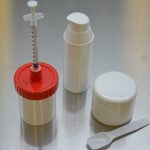
Hormones administered by creams bypass the stomach and the first pass metabolism of the liver and thus allow lower physiological doses to be administered when compared to other methods such as capsules and troches (lozenges). The release of the hormone from the cream is more physiological providing a fairly consistent release over time without the significant fluctuations often observed with capsules and troches. In addition if estrogens are swollowed by capsule or troche they may be metabolised by bacteria in the bowel forming estrone which can increase the chance of blood clotting and thromboembolism – this does not occur with creams. Finally creams require lower phsiological doses compared to those used in other dose forms.
Some uninformed doctors claim that creams do not absorb based on their blood test results. The problem is not that the cream is not absorbing but that blood tests are unable to detect the hormones when applied transdermally due to red blood cell binding – click here for more details on appropriate hormone testing. It is not the cream at fault but the testing method. If they had used saliva or urine testing the hormones would have shown up within a few hours of applying the cream showing that creams do indeed absorb very well.
Our laboratory supplies a number of cream applicator options from a very convenient and accurate airless pump jar, EMP Jar with measuring syringe to a traditional cream jar with measuring spoon.
Troches – are a popular way to administer hormones here in Australia but not so overseas due to problems associated with their use.
 Firstly a significant proportion of the troche is actually swollowed (over 50%) and thus offering little liver sparing effect as if often quoted as an advantage of their use. Secondly, and most importantly, the release of hormones from the lozenge is very rapid and thus levels rise rapidly and then they are also metabolized rapidly causing levels to drop rapidly causing a see-saw effect in hormone levels. These significant hormone fluctuations do not mimic our natural physiology. For more information click here on The The Truth about Troches.
Pellet Therapy – Another way to administer bioidentical hormones is via a pellet inserted under the skin. The hormone gradually dissolves over a 3 to 6 month period eliminating the need for daily dosing so is considered more convenient by some. For more information click on pellet therapy.
Which ever way you decide to take these hormones we always recommend to only use low physiological doses and to ensure that all the hormones are correctly balanced.
What are the risks of using Bioidentical Hormones?
With the release of the Womens Health Initiative trial () study a few years ago many women have been too afraid to use any form of hormone replacement out of fear of developing breast cancer. What is not appropriately explained is that these findings were related to two very specific hormones, being conjugated estrogens derived from horse urine and a synthetic progestin. A recently published french study (Climacteric. 2002 Dec;5(4):332-40.) following over 3000 women for more than eight years using a bioidentical estradiol and progesterone combination was unable to find any increased risk of breast cancer using these hormones.
 Dr Holtorf has published an excellent peer reviewed article in Postgraduate Medicine (Vol 121, 2009) titled “The Bioidentical Hormone Debate: Are Bioidentical Hormones safer or more efficacious than commonly used synthetic versions in hormone replacement therapy”. The conclusion of this review was that “the medical literature supports the claim that bioidentical hormones have some distinctly different, often opposite, physiological effects to those of their synthetic counterparts. With respect to the risk for breast cancer, heart disease, heart attack and stroke, substantial scientific and medical evidence demonstartes that bioidentical hormones are safer and more efficacious form of HRT than commonly used synthetic versions”.
Another comprehensive peer review of the safety and efficacy of bioidentical hormones for the management of menopause and related health risks was published in Alternative Medicine Review, Sept, 2006 by Deborah Moskowitz. The conclusion was “The use of bioidentical hormone therapy is well tolerated, provides symptom relief, and can address many of the health needs as well as the individual preferences of menopausal and perimenopausal women. Physicians are encouraged to take the time and effort to help women determine the regimen that best suits their needs, including testing hormone levels directly prior to supplementation and using the least amount necessary to achieve the desired results. This effort will undoubtedly pay off in fewer unwanted side effects and greater quality of life.”
In 2005 the Fournier E3N- European Prospective Investigation into Cancer and Nutrition (EPIC) cohort study published in the International Journal of Cancer followed 54,548 postmenopausal women who had not been on any kind of HRT for at least a year before entering the study. The average age was 53, and the study lasted for almost 6 years. Compared to women who had never used HRT, taking Bio-Identical Estriol alone produced a 30% reduced risk of breast cancer; using Bio-Identical Estradiol plus natural progesterone lead to a 10% decreased risk of breast cancer; while using estradiol alone had a 10% increased risk of breast cancer and worst of all, taking estradiol plus synthetic progestins caused a 40% increased risk of breast cancer.
(Source: Fournier et al, “Breast cancer risk in relation to different types of hormone replacement therapy in the E3N-EPIC cohort,” Int J Cancer 2005 Apr 10;114(3):448-54.)
In January 2008, with eight years of follow-up, data was released from E3N showing that women using synthetic HRT had a 60% higher risk of cancer, while women using Bio-Identical Hormones still had the same risk as women using no HRT of any kind.
(Source: Fournier et al, “Unequal risks for breast cancer associated with different hormone replacement therapies: results from the E3N cohort study,” Breast Cancer Res Treat 2008 Jan;107(1):103-11.)
As with any form of therapy there is always some risk involved, even with bioidentical hormones. If the doses being used are incorrect side effects will occur due to hormone imbalance and certain imbalances can increase your risk of breast cancer. If doses are excessive side effects will occur due to toxicity. If doses are insufficient little beneficial effect will be observed. Therefore it is critical that all hormones are dosed correctly AT PHYSIOLOGICAL DOSES and an ADEQUATE HORMONE BALANCE is maintained between the estrogens and progesterone and between the three estrogens themselves. For this reason we stress the importance of hormone testing in order to identify any dosage problems at an early stage and rectify them before any problems may arise.
How to get started?
Ask your doctor to organise the appropriate hormone tests.
 If your doctor lacks the experience you can contact us for a consultation where we can arrange the hormone testing and make recommendations based on your history, symptoms and test results. We will then put you into contact with a sympathetic doctor if you require any scripts for bioidentical hormones.
Esoteric Healing
Any women whom suffers from menstral and/or menopausal symptoms also needs to be aware of the underlying energy or emotions involved. Whenever a women looses touch with their self nurturing, female aspect and take on a more male orientated energy it causes is disruption in the ovaries and breasts causing menstral and/or breast problems. Women need to reclaim their self nurturing femaleness and techniques such as esoteric healing can help facilitate this process. This step is most important because if you seek treatment in the form of a hormone without addressing this you will only improve your bodily function but will not truly heal and restore harmony back into your body. Restoring function without addressing the underlying energy will only bury the ill energy deeper in your body which will arise again in the future with a greater force and thus more severe symptoms. Click here for more information on how your emotions cause your hormone imbalances.
Want More Information?
For more information on the specific hormones such as estrogen, progesterone and testosterone or certain conditions such as endometriosis, osteoporosis or PMS you can access it via a free online consultation or alternatively speak to your doctor.
Contact Us
In order to obtain more information or alternatively to arrange a consultation you can contact us. You can also click here to find an integrative doctor open to prescribing these treatments.